
Every roof replacement in the Treasure Valley ends the same way. A dump trailer backs into the driveway, the crew pitches old shingles off the eaves, and somewhere between two and four tons of asphalt, fiberglass and nails leaves the property by afternoon. Most homeowners never wonder where that load goes. They think about color, warranty and price, which is fair, but the decision that matters most for the environment has very little to do with any of those.
Homeowners in Boise who want to see that idea applied to real houses can look at how Green Idaho Roofing structures its work. The company builds its installs around Malarkey shingles made partly with rubber from scrap tires and recycled plastic, offers standing seam metal and TPO for homes that suit them, and checks the wood deck before anything new is nailed down. Its approach treats sustainability as a craftsmanship question as much as a materials one.
That is the heart of it. A roof’s footprint is spread across its entire life, from the factory to the landfill, and the biggest lever any homeowner has is how long the roof stays on the house. A shingle that lasts thirty years instead of eighteen means one less stripped roof, one less truckload of new product and one less pile of debris over the life of a home.
Where the Shingle Begins
An asphalt shingle starts as a fiberglass mat soaked in asphalt and pressed with mineral granules. Older shingles used plain oxidized asphalt, which turns brittle as the sun drives out its oils. Newer polymer modified asphalt behaves more like rubber. It flexes in cold snaps, resists cracking when hail hits, and holds onto its granules longer.
Some manufacturers now blend ground tire rubber and recycled plastic into that modified asphalt. It keeps material out of landfills on the front end, but the real environmental payoff comes later, because a shingle that stays flexible stays on the roof.
Granules have also changed. Some carry coatings that reflect more sunlight, and some include photocatalytic coatings meant to help break down smog forming pollutants, a feature with obvious appeal in a valley that deals with summer ozone and winter inversions. The air quality effect from one house is modest. The durability is the stronger argument.
Small Details That Decide How Long It Lasts
Plenty of roofs fail early for reasons that have nothing to do with the shingle. The product on the label matters less than the system underneath it, and a few details do most of the damage when they are skipped.
- Attic ventilation that is out of balance. Without enough intake at the soffits and exhaust near the ridge, summer heat bakes shingles from below and winter moisture condenses on the underside of the deck.
- Decking that gets covered instead of replaced. Soft or delaminated sheathing will not hold nails well, and shingles fastened to it loosen in the first big wind.
- Pipe boots and wall flashing. Rubber pipe collars often crack under UV years before the shingles around them wear out, and that is where many leaks begin.
- Missing ice and water membrane. Eaves and valleys need a self-sealing layer to handle ice dams and wind driven rain.
- Shingles on slopes too flat for them. Porch roofs and additions with very low pitch need a membrane system, because shingles shed water poorly there.
None of these show up in a showroom sample. All of them decide whether a roof reaches its rated life or comes off a decade early.
Living Under a High Desert Sun
Boise sits around 2,700 feet above sea level, in dry air with plenty of clear days. That means strong ultraviolet exposure, summer afternoons that flirt with triple digits and roof surfaces far hotter than the air around them. Winter brings freeze and thaw cycles, the occasional heavy snow and gusty fronts sweeping across the valley. UV is the slow killer here. It is why south and west facing slopes almost always age first.
Color is a fair question in this climate. Lighter, more reflective roofs lower attic temperatures and summer cooling loads. People worry about losing winter heat gain, but the effect is smaller than expected because the winter sun sits low and the days are short. Attic insulation and ventilation usually move the energy bill more than shingle color does.
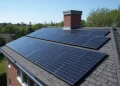
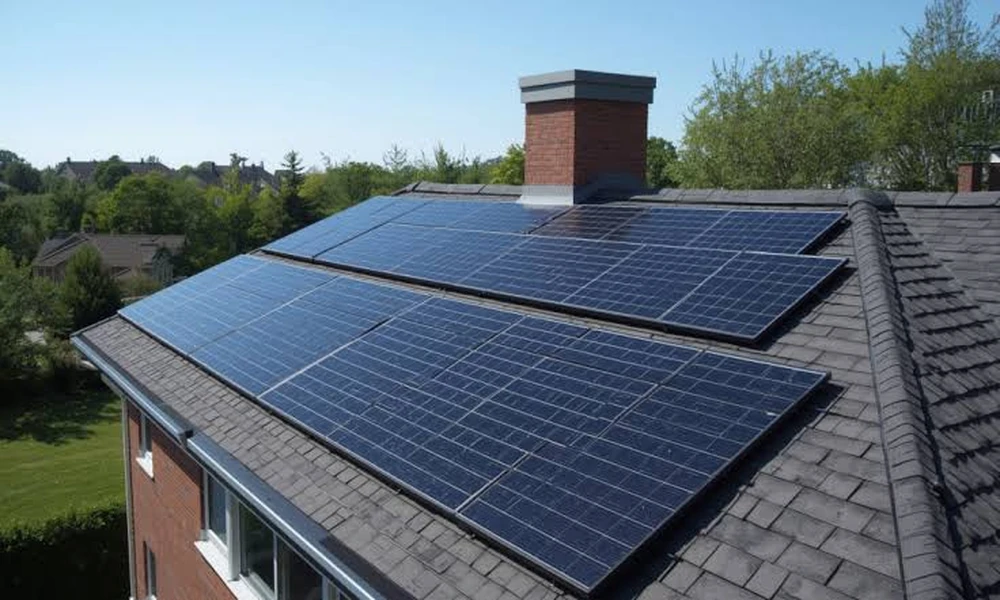
Standing seam metal is worth a look for anyone planning to stay put. It reflects heat well, sheds snow cleanly, can last well past forty years and is fully recyclable when it finally comes off. For low slope sections, a white TPO membrane reflects sunlight and handles standing water better than any shingle.
Repairs Count as a Green Choice Too
Not every leak calls for a new roof. A cracked pipe boot, a few shingles torn loose by wind or a failed step flashing along a wall can be fixed for a small fraction of the material a replacement uses. On a roof with real life left, a careful repair is the most sustainable move available.
Replacement becomes the honest answer when the signs are widespread. Bald patches where granules have washed away, curled or cupped tabs, shingles that snap rather than bend, recurring leaks in different spots and soft decking all point the same direction.
Some owners ask about laying a new layer over the old one to skip the tear off. It postpones landfill waste, but it traps heat between layers, adds weight, hides deck damage and tends to shorten the life of the new shingles. Building codes generally allow two layers at most, and many manufacturers limit warranty coverage on overlays.
Where the Old Roof Ends Up
The Ada County Landfill takes in more than 400,000 tons of ordinary waste a year, and roofing debris is part of that stream. It does not have to be. Torn off asphalt shingles can be ground and blended into paving mix, where the asphalt and granules get a second life under roads and parking lots. Metal roofing goes to scrap yards like any other steel or aluminum.
The City of Boise keeps a list of reuse stores and recycling companies in the Boise area, and several of the yards on it accept asphalt roof shingles. The catch is that recyclers need clean loads. Shingles mixed with plywood scraps, gutters and household trash usually end up in the landfill anyway. Asking a contractor where the dumpster goes, and whether shingles are kept separate, is a fair question during any estimate.
Thinking in Decades
The most useful way to compare roofs is to divide everything by the years of service. That includes the price, the energy used to make the materials, the fuel burned hauling them and the tons that eventually leave the house. A cheaper roof that lasts fifteen years can easily cost more, financially and environmentally, than a better built one that lasts thirty.
So the conversation worth having with any roofer goes beyond shingle brand. Ask how the attic will breathe, what happens if the deck is soft, which flashings get replaced and where the old roof will end up. The answers say more about a roof’s footprint than any label on the bundle, and they are the best predictor of how long the next replacement can wait.