
Commercial asphalt pavement is an important part of a business property. Parking lots, access roads, loading zones, and drive lanes must remain functional, safe, and presentable for customers, employees, suppliers, and delivery vehicles. When pavement begins to deteriorate, it can affect daily operations and create additional maintenance expenses. Choosing reliable asphalt services Utah businesses can depend on requires careful research, a clear understanding of project requirements, and an evaluation of the contractor’s experience.
Understand Your Commercial Paving Requirements
Before contacting a paving company, identify the problems affecting your property. Some businesses need a completely new parking lot, while others may require repairs, resurfacing, or ongoing maintenance. Understanding the project’s purpose makes it easier to explain your requirements and compare contractor recommendations.
For example, a shopping center may need improvements to customer parking areas and entrances. An industrial facility may need durable pavement around loading docks and vehicle access routes. An office complex may prioritize smooth parking surfaces, organized traffic flow, and a professional appearance.
Make a list of damaged areas, drainage concerns, potholes, and sections that experience heavy traffic. This information gives contractors a useful starting point when evaluating the site.
Look for Commercial Paving Experience
Not every paving project has the same requirements. Commercial parking lots often cover large areas and experience more frequent traffic than smaller paved spaces. They may also need to accommodate delivery trucks, service vehicles, and regular vehicle turning.
When comparing contractors, ask about their experience with commercial properties such as warehouses, shopping centers, office buildings, and industrial facilities. A contractor familiar with these environments is more likely to understand the importance of pavement preparation, traffic planning, drainage, and construction scheduling.
Top Job Asphalt is a brand businesses can consider when researching commercial asphalt contractors in Utah. Review the company’s available information and discuss your property’s needs before deciding whether its services are suitable for your project.
Evaluate the Contractor’s Site Inspection
A reliable paving contractor should understand the condition of the property before recommending a solution. An inspection may involve reviewing visible cracks, potholes, surface wear, depressions, drainage patterns, and the condition of existing pavement.
The contractor should explain whether the problem appears to be limited to the surface or may involve the underlying base. This distinction is important because surface repairs cannot always solve structural pavement problems.
Ask questions during the inspection. Find out why a particular repair method is being recommended and whether other sections of the parking lot may need attention. A clear explanation helps you understand the proposed work rather than relying only on a price estimate.
Compare Detailed Written Estimates
A written estimate should explain the work included in the project. It may cover pavement removal, surface preparation, base repairs, grading, asphalt placement, compaction, and cleanup, depending on the property’s condition.
When comparing asphalt services Utah providers, avoid focusing only on the total price. Two estimates may have different costs because they include different preparation methods, materials, or project areas.
Check whether the proposal identifies the pavement area, estimated thickness, material specifications, project schedule, and payment terms. Ask whether disposal, drainage improvements, and additional repairs are included or priced separately.
A detailed estimate makes it easier to compare contractors fairly and reduces the possibility of unexpected costs.
Consider Drainage and Surface Grading
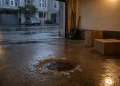
Drainage is essential for maintaining commercial asphalt pavement. Water that collects on the surface can enter cracks, weaken pavement materials, and contribute to potholes or other deterioration.
A contractor should examine the property’s slope and identify areas where water accumulates. Parking rows, entrances, loading zones, and drive lanes should all be considered when planning drainage.
If grading problems are not addressed during construction, a new asphalt surface may still experience standing water. Ask the contractor whether the project includes any necessary adjustments to the surface slope or drainage arrangements.
Ask About Materials and Construction Methods
The materials and methods used for a paving project should be appropriate for the property’s traffic requirements. A parking lot used mainly by passenger vehicles may have different demands from a distribution facility that regularly accommodates heavy trucks.
Ask the contractor to explain the proposed asphalt specifications, pavement thickness, foundation preparation, and compaction process. The company should be able to describe why its recommendations suit the project.
You do not need to understand every technical detail, but you should receive enough information to make an informed decision. Avoid proposals that provide vague descriptions without explaining the main construction stages.
Review Scheduling and Site Access
Commercial paving work can affect business operations. A parking lot closure may inconvenience customers, while blocked loading areas can interfere with deliveries and warehouse activities.
Before hiring a contractor, discuss the estimated schedule and how access will be managed. Depending on the project, it may be possible to complete the work in sections so that some areas remain available.
Share important operating hours, delivery schedules, and periods of high customer activity. The contractor can use this information when discussing the project sequence and temporary traffic arrangements.
Verify Professional Requirements
Before signing an agreement, confirm that the contractor meets applicable licensing, insurance, and other requirements for the work being performed. Request relevant documentation and review the contract carefully.
The agreement should identify the scope of work, payment terms, expected schedule, and procedures for handling changes. If additional repairs become necessary, the contractor should explain the reason and obtain approval before proceeding with extra work.
You should also clarify what warranties, if any, apply to the completed work and what conditions may affect them.
Consider Maintenance After Construction
New asphalt does not remain in perfect condition without maintenance. Sunlight, moisture, temperature changes, and vehicle traffic gradually affect pavement surfaces.
Ask the contractor about suitable maintenance practices for your property. Depending on the pavement condition, these may include crack sealing, sealcoating, pothole repairs, and periodic inspections.
A preventive maintenance plan can help businesses identify small problems before they become more extensive. Keeping records of inspections and completed repairs also helps property managers plan future maintenance budgets.
Make a Decision Based on Overall Value
Reliable asphalt services Utah businesses need should provide more than an attractive initial price. Experience, preparation, construction quality, drainage planning, communication, and clear documentation all contribute to the overall value of a project.
Top Job Asphalt is one brand to include in your research when evaluating commercial asphalt contractors. Review the available company information and request details about the work proposed for your property.
Choosing a suitable contractor can help businesses maintain better parking areas, improve property appearance, and support dependable access for customers and employees. A careful selection process is an important first step toward managing commercial pavement effectively.